AI & Automation Trends Reshaping the Consulting Industry
AI and automation are redefining consulting services with smarter analytics, workflow automation, and real-time insights. Discover the latest trends that are transforming how consultants deliver value and why embracing AI is crucial for the industry’s future.
AI and automation are redefining consulting services with smarter analytics, workflow automation, and real-time insights. Discover the latest trends that are transforming how consultants deliver value and why embracing AI is crucial for the industry’s future.
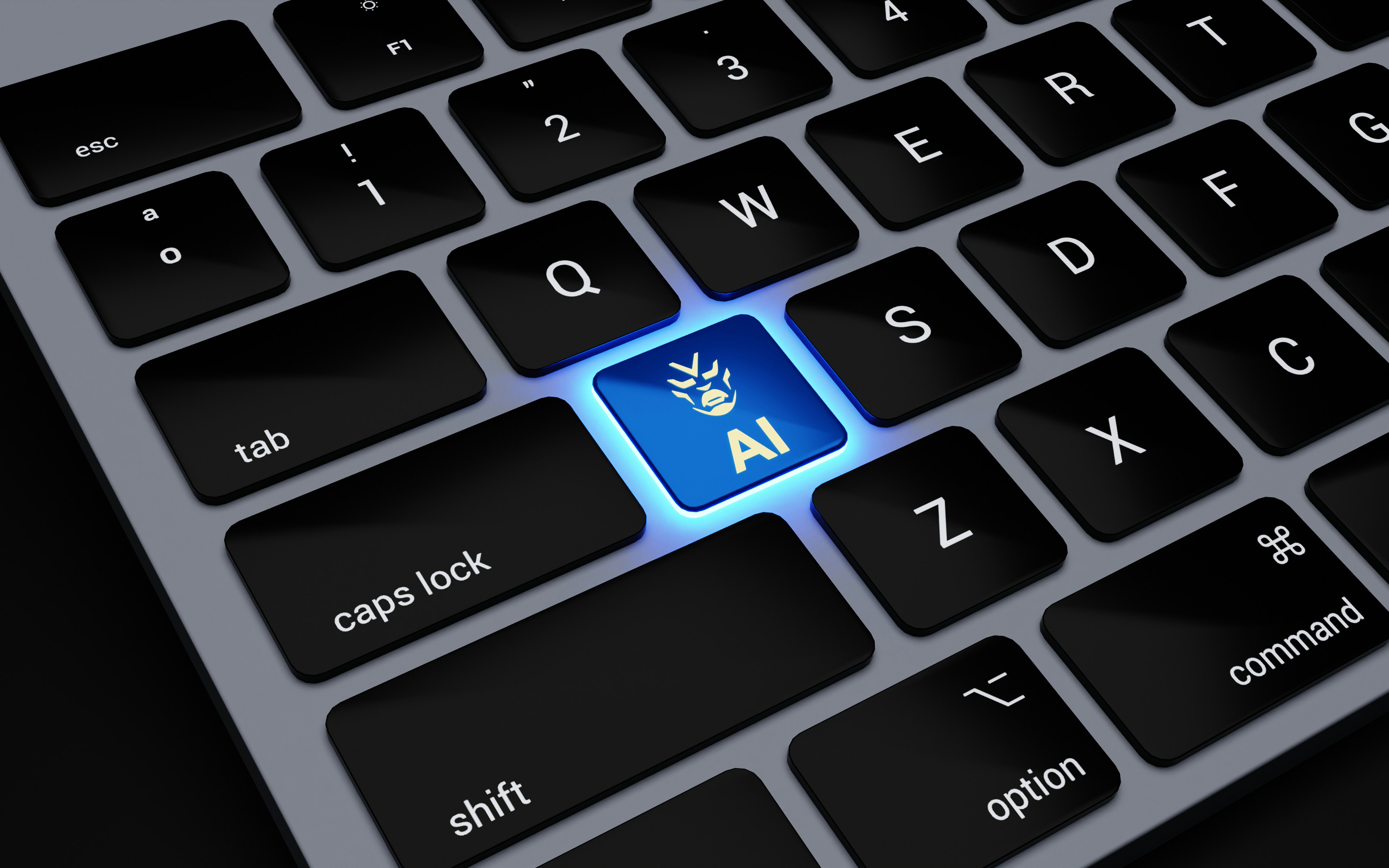
The consulting industry has always thrived on innovation, insights, and efficiency. But with the rise of Artificial Intelligence (AI) and automation, consulting firms are experiencing one of the most profound transformations in their history. What was once driven by human expertise and manual analysis is now being augmented by intelligent systems capable of processing vast data sets, predicting trends, and even advising clients autonomously.
In this new era, consulting isn’t just about experience and intuition — it’s about leveraging AI-driven intelligence to create faster, smarter, and more scalable client solutions. Let’s explore how AI and automation are reshaping the consulting landscape and what firms can do to stay ahead.
The Shift Toward Intelligent Consulting
Traditionally, consultants have relied on human expertise to analyze business challenges and design solutions. While this approach remains foundational, it’s being significantly enhanced by data-driven insights and intelligent automation.
AI-powered tools now help consultants move from reactive problem-solving to proactive strategy formulation, enabling data-backed decision-making at an unprecedented speed and scale.
For example:
AI analytics tools process millions of data points in seconds, revealing insights that would take weeks for human analysts.
Automation systems streamline repetitive tasks like data cleaning, report generation, and scheduling, freeing consultants to focus on strategic work.
Predictive modeling enables firms to forecast client outcomes and simulate the impact of business decisions before implementation.
This shift is redefining consulting from a human-driven service to a hybrid intelligence model — where human expertise and AI capabilities work hand in hand.
Key AI and Automation Trends Transforming Consulting
Predictive Analytics for Strategic Decision-Making
Predictive analytics has become a cornerstone of modern consulting. Using AI algorithms, consultants can analyze historical and real-time data to anticipate future market trends, customer behaviors, and operational risks.
For example, in management consulting, predictive models can forecast demand fluctuations or potential supply chain disruptions. In financial consulting, AI tools analyze spending patterns and portfolio data to optimize investment strategies.
This data foresight gives consultants a competitive edge — allowing them to deliver more accurate, actionable, and timely advice.
Generative AI in Knowledge Management
Knowledge is the consulting industry’s most valuable asset. However, managing vast repositories of research papers, case studies, and reports can be overwhelming.
Generative AI tools like ChatGPT, Claude, or Gemini can summarize, analyze, and synthesize information in seconds. Consulting firms are now using generative AI to:
Create client reports faster.
Summarize key insights from previous projects.
Generate frameworks, presentations, and documentation.
This enhances productivity and ensures consistent knowledge dissemination across teams and regions.
Intelligent Automation for Process Efficiency
Automation is streamlining internal operations across consulting firms. Robotic Process Automation (RPA) tools handle repetitive tasks such as:
Data entry and reconciliation
Invoice and contract management
Client onboarding workflows
By automating these low-value processes, firms save hundreds of labor hours annually. Consultants can then focus on higher-value analytical and strategic activities, improving both productivity and job satisfaction.
AI-Powered Market Research and Competitive Analysis
Market research, once a time-consuming manual process, is now revolutionized by AI. Natural Language Processing (NLP) and machine learning algorithms analyze news feeds, social media, patents, and market data to uncover insights about competitors, trends, and emerging opportunities.
Consulting firms can now offer clients real-time market intelligence, giving them the ability to adapt quickly in dynamic industries like tech, finance, and healthcare.
Digital Twin Modeling for Business Simulation
A digital twin is a virtual replica of a business, system, or process. Consultants can use AI to create digital twins that simulate how changes in strategy, pricing, or operations would affect performance.
For instance:
Supply chain consultants test resilience under different market conditions.
HR consultants simulate workforce planning models.
Financial advisors model investment portfolio performance under various economic scenarios.
This approach turns strategic recommendations into data-backed simulations, reducing uncertainty and improving client trust.
AI-Driven Personalization in Client Engagement
AI helps consulting firms personalize client experiences by analyzing preferences, engagement history, and communication patterns. Chatbots and virtual assistants provide instant responses, book meetings, and deliver personalized insights — enhancing responsiveness and client satisfaction.
Some firms even develop AI-powered virtual consultants capable of conducting preliminary consultations, gathering requirements, and generating initial reports before human consultants take over.
Ethical and Responsible AI Consulting
As clients adopt AI, consulting firms are called upon to guide them through ethical, regulatory, and governance challenges.
AI consulting now includes:
Building responsible AI frameworks
Ensuring data transparency
Implementing bias-free algorithms
Managing compliance with privacy laws like GDPR or CCPA
This emerging niche positions consultants as trusted AI governance partners, not just technology advisors.
The Benefits of AI and Automation for Consulting Firms
Adopting AI and automation delivers multiple advantages that redefine both internal operations and client outcomes:
Increased Efficiency: AI drastically reduces time spent on repetitive research and administrative tasks.
Enhanced Accuracy: Automated data analysis minimizes human error and ensures consistency across reports.
Scalability: Firms can handle more clients and larger datasets without proportionally increasing staff.
Faster Delivery: Reports, models, and insights are generated much faster, improving turnaround times.
Data-Driven Confidence: AI provides evidence-based support for recommendations, enhancing credibility with clients.
Firms that integrate AI effectively can deliver more value with fewer resources.
Challenges in Adopting AI and Automation
Despite its benefits, implementing AI in consulting comes with challenges:
Data Security and Privacy – Sensitive client data must be protected when integrated into AI systems.
Talent and Training Gaps – Consultants need upskilling to work effectively with AI tools.
Integration Complexity – Legacy systems may struggle to connect with new AI platforms.
Ethical Concerns – Transparency and explainability are critical when using AI for decision-making.
Change Management – Resistance to automation can arise among teams accustomed to traditional workflows.
Consulting firms must address these issues strategically — through governance frameworks, staff training, and secure data infrastructures.
The Future of Consulting: Human and Machine Collaboration
AI and automation are not replacing consultants — they’re elevating them. The future of consulting lies in collaboration between human creativity and machine intelligence.
Here’s what this partnership looks like:
AI handles data-heavy analysis and repetitive tasks.
Humans provide contextual understanding, empathy, and strategic judgment.
Together, they deliver insights that are both quantitatively accurate and qualitatively meaningful.
Consulting firms that embrace this symbiosis will outperform those that resist it.
Final Thoughts
The consulting industry is undergoing a digital metamorphosis — driven by AI and automation. From predictive analytics and digital twins to automated reporting and generative content creation, these technologies are not just improving efficiency — they’re redefining the consulting value proposition itself.
Clients now expect faster, data-backed, and continuous advisory support. To meet these expectations, consulting firms must evolve from traditional service providers into AI-empowered strategic partners.
The question is no longer if AI will reshape consulting, but how well firms will adapt to this transformation. Those that invest in AI today will lead the consulting landscape of tomorrow.
The consulting industry has always thrived on innovation, insights, and efficiency. But with the rise of Artificial Intelligence (AI) and automation, consulting firms are experiencing one of the most profound transformations in their history. What was once driven by human expertise and manual analysis is now being augmented by intelligent systems capable of processing vast data sets, predicting trends, and even advising clients autonomously.
In this new era, consulting isn’t just about experience and intuition — it’s about leveraging AI-driven intelligence to create faster, smarter, and more scalable client solutions. Let’s explore how AI and automation are reshaping the consulting landscape and what firms can do to stay ahead.
The Shift Toward Intelligent Consulting
Traditionally, consultants have relied on human expertise to analyze business challenges and design solutions. While this approach remains foundational, it’s being significantly enhanced by data-driven insights and intelligent automation.
AI-powered tools now help consultants move from reactive problem-solving to proactive strategy formulation, enabling data-backed decision-making at an unprecedented speed and scale.
For example:
AI analytics tools process millions of data points in seconds, revealing insights that would take weeks for human analysts.
Automation systems streamline repetitive tasks like data cleaning, report generation, and scheduling, freeing consultants to focus on strategic work.
Predictive modeling enables firms to forecast client outcomes and simulate the impact of business decisions before implementation.
This shift is redefining consulting from a human-driven service to a hybrid intelligence model — where human expertise and AI capabilities work hand in hand.
Key AI and Automation Trends Transforming Consulting
Predictive Analytics for Strategic Decision-Making
Predictive analytics has become a cornerstone of modern consulting. Using AI algorithms, consultants can analyze historical and real-time data to anticipate future market trends, customer behaviors, and operational risks.
For example, in management consulting, predictive models can forecast demand fluctuations or potential supply chain disruptions. In financial consulting, AI tools analyze spending patterns and portfolio data to optimize investment strategies.
This data foresight gives consultants a competitive edge — allowing them to deliver more accurate, actionable, and timely advice.
Generative AI in Knowledge Management
Knowledge is the consulting industry’s most valuable asset. However, managing vast repositories of research papers, case studies, and reports can be overwhelming.
Generative AI tools like ChatGPT, Claude, or Gemini can summarize, analyze, and synthesize information in seconds. Consulting firms are now using generative AI to:
Create client reports faster.
Summarize key insights from previous projects.
Generate frameworks, presentations, and documentation.
This enhances productivity and ensures consistent knowledge dissemination across teams and regions.
Intelligent Automation for Process Efficiency
Automation is streamlining internal operations across consulting firms. Robotic Process Automation (RPA) tools handle repetitive tasks such as:
Data entry and reconciliation
Invoice and contract management
Client onboarding workflows
By automating these low-value processes, firms save hundreds of labor hours annually. Consultants can then focus on higher-value analytical and strategic activities, improving both productivity and job satisfaction.
AI-Powered Market Research and Competitive Analysis
Market research, once a time-consuming manual process, is now revolutionized by AI. Natural Language Processing (NLP) and machine learning algorithms analyze news feeds, social media, patents, and market data to uncover insights about competitors, trends, and emerging opportunities.
Consulting firms can now offer clients real-time market intelligence, giving them the ability to adapt quickly in dynamic industries like tech, finance, and healthcare.
Digital Twin Modeling for Business Simulation
A digital twin is a virtual replica of a business, system, or process. Consultants can use AI to create digital twins that simulate how changes in strategy, pricing, or operations would affect performance.
For instance:
Supply chain consultants test resilience under different market conditions.
HR consultants simulate workforce planning models.
Financial advisors model investment portfolio performance under various economic scenarios.
This approach turns strategic recommendations into data-backed simulations, reducing uncertainty and improving client trust.
AI-Driven Personalization in Client Engagement
AI helps consulting firms personalize client experiences by analyzing preferences, engagement history, and communication patterns. Chatbots and virtual assistants provide instant responses, book meetings, and deliver personalized insights — enhancing responsiveness and client satisfaction.
Some firms even develop AI-powered virtual consultants capable of conducting preliminary consultations, gathering requirements, and generating initial reports before human consultants take over.
Ethical and Responsible AI Consulting
As clients adopt AI, consulting firms are called upon to guide them through ethical, regulatory, and governance challenges.
AI consulting now includes:
Building responsible AI frameworks
Ensuring data transparency
Implementing bias-free algorithms
Managing compliance with privacy laws like GDPR or CCPA
This emerging niche positions consultants as trusted AI governance partners, not just technology advisors.
The Benefits of AI and Automation for Consulting Firms
Adopting AI and automation delivers multiple advantages that redefine both internal operations and client outcomes:
Increased Efficiency: AI drastically reduces time spent on repetitive research and administrative tasks.
Enhanced Accuracy: Automated data analysis minimizes human error and ensures consistency across reports.
Scalability: Firms can handle more clients and larger datasets without proportionally increasing staff.
Faster Delivery: Reports, models, and insights are generated much faster, improving turnaround times.
Data-Driven Confidence: AI provides evidence-based support for recommendations, enhancing credibility with clients.
Firms that integrate AI effectively can deliver more value with fewer resources.
Challenges in Adopting AI and Automation
Despite its benefits, implementing AI in consulting comes with challenges:
Data Security and Privacy – Sensitive client data must be protected when integrated into AI systems.
Talent and Training Gaps – Consultants need upskilling to work effectively with AI tools.
Integration Complexity – Legacy systems may struggle to connect with new AI platforms.
Ethical Concerns – Transparency and explainability are critical when using AI for decision-making.
Change Management – Resistance to automation can arise among teams accustomed to traditional workflows.
Consulting firms must address these issues strategically — through governance frameworks, staff training, and secure data infrastructures.
The Future of Consulting: Human and Machine Collaboration
AI and automation are not replacing consultants — they’re elevating them. The future of consulting lies in collaboration between human creativity and machine intelligence.
Here’s what this partnership looks like:
AI handles data-heavy analysis and repetitive tasks.
Humans provide contextual understanding, empathy, and strategic judgment.
Together, they deliver insights that are both quantitatively accurate and qualitatively meaningful.
Consulting firms that embrace this symbiosis will outperform those that resist it.
Final Thoughts
The consulting industry is undergoing a digital metamorphosis — driven by AI and automation. From predictive analytics and digital twins to automated reporting and generative content creation, these technologies are not just improving efficiency — they’re redefining the consulting value proposition itself.
Clients now expect faster, data-backed, and continuous advisory support. To meet these expectations, consulting firms must evolve from traditional service providers into AI-empowered strategic partners.
The question is no longer if AI will reshape consulting, but how well firms will adapt to this transformation. Those that invest in AI today will lead the consulting landscape of tomorrow.
Frequently Asked Questions
Here are answers to some frequently asked questions. If your question isn’t listed, please contact us. We’re happy to assist!
1.
What are digital forensics services?
1.
What is predictive property maintenance?
1.
What are digital forensics services?
2.
What are digital forensics services?
2.
How does AI improve property maintenance?
2.
What are digital forensics services?
3.
What are digital forensics services?
3.
What are the benefits of AI-driven maintenance?
3.
What are digital forensics services?
4.
What are digital forensics services?
4.
Which properties can benefit from predictive maintenance?
4.
What are digital forensics services?
5.
What are digital forensics services?