What Is SDLC? Software Development Life Cycle Explained
If you’ve ever worked with a software team—or even followed a project from the outside—you’ve probably noticed a pattern. In the beginning, everyone is excited. Someone has an idea. Designers imagine screens. Developers estimate timelines with confidence. Managers nod enthusiastically.
And then reality happens.
Suddenly, features are unclear, deadlines move, bugs appear out of nowhere, and everyone has their own version of “what we were supposed to build.”
This chaos is not unusual. In fact, it’s almost expected when there is no structure.
That is exactly why SDLC exists.
Most people hear the term and assume it’s some boring corporate framework. But the truth is far more interesting. SDLC is the quiet engine behind every successful product you use daily—your banking app, your food delivery app, even the platform you're reading this on.
Today, we’ll break down what SDLC is, why the software development life cycle remains essential even in 2025, the common SDLC phases, and the different SDLC models teams choose depending on their goals.
Let’s make this simple, practical, and genuinely useful.
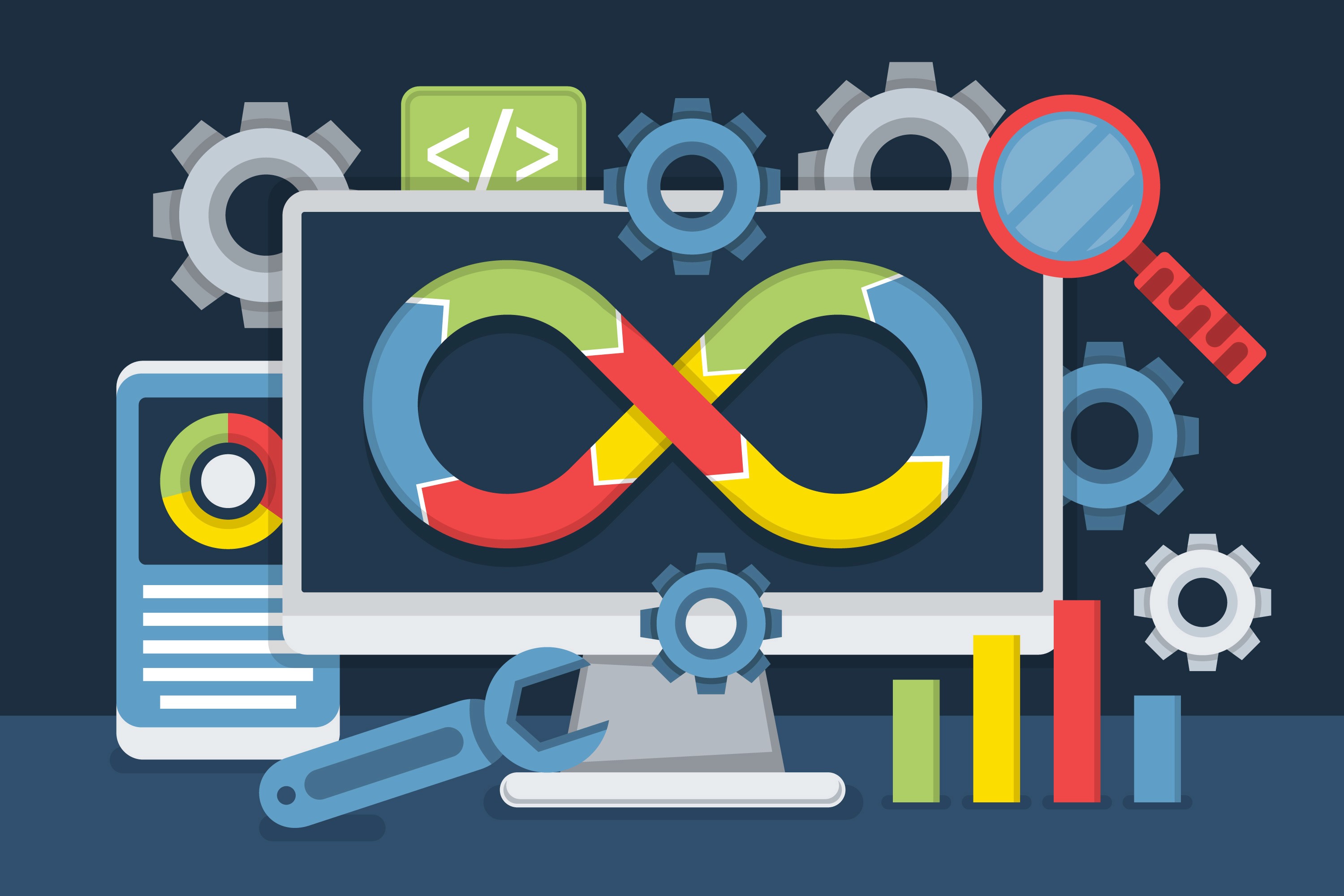
What Is SDLC?
SDLC stands for Software Development Life Cycle.
It’s a structured, step-by-step method teams use to build, ship, and maintain software.
In simple words:
SDLC is the roadmap that helps teams turn ideas into working software—without losing their minds.
It covers everything:
Planning
Requirements
Design
Coding
Testing
Deployment
Maintenance
Think of SDLC as the GPS for software development.You can drive without a GPS, but you’ll waste time, take wrong turns, and probably get frustrated. With SDLC, the path becomes clear and predictable.
Why SDLC Still Matters (Especially in 2025)
Some people assume SDLC is outdated because AI tools can write code, and low-code platforms can generate screens instantly.
But here’s the truth:
Technology can accelerate development, but it cannot replace structure.
In fact, the faster the world moves, the more important SDLC becomes.
Here’s why:
1. Modern software is more complex than ever.
Apps talk to databases, APIs, cloud servers, microservices, AI models, and third-party integrations.
Without structure, everything breaks.
2. Teams are larger and more distributed.
You might have designers in Europe, developers in India, QA in the Philippines, and a PM in the US.
SDLC keeps everyone aligned without confusion.
3. Users expect polished products.
People won’t tolerate clunky apps.
SDLC ensures quality and reliability.
4. Mistakes are expensive.
A bug found after deployment can cost 10x more than one found during testing. SDLC reduces the risk of surprises.
5. It creates long-term sustainability.
Good software isn’t built once—it evolves.
SDLC ensures teams can maintain and extend products for years.
So no, SDLC isn’t old-school.
It is timeless.
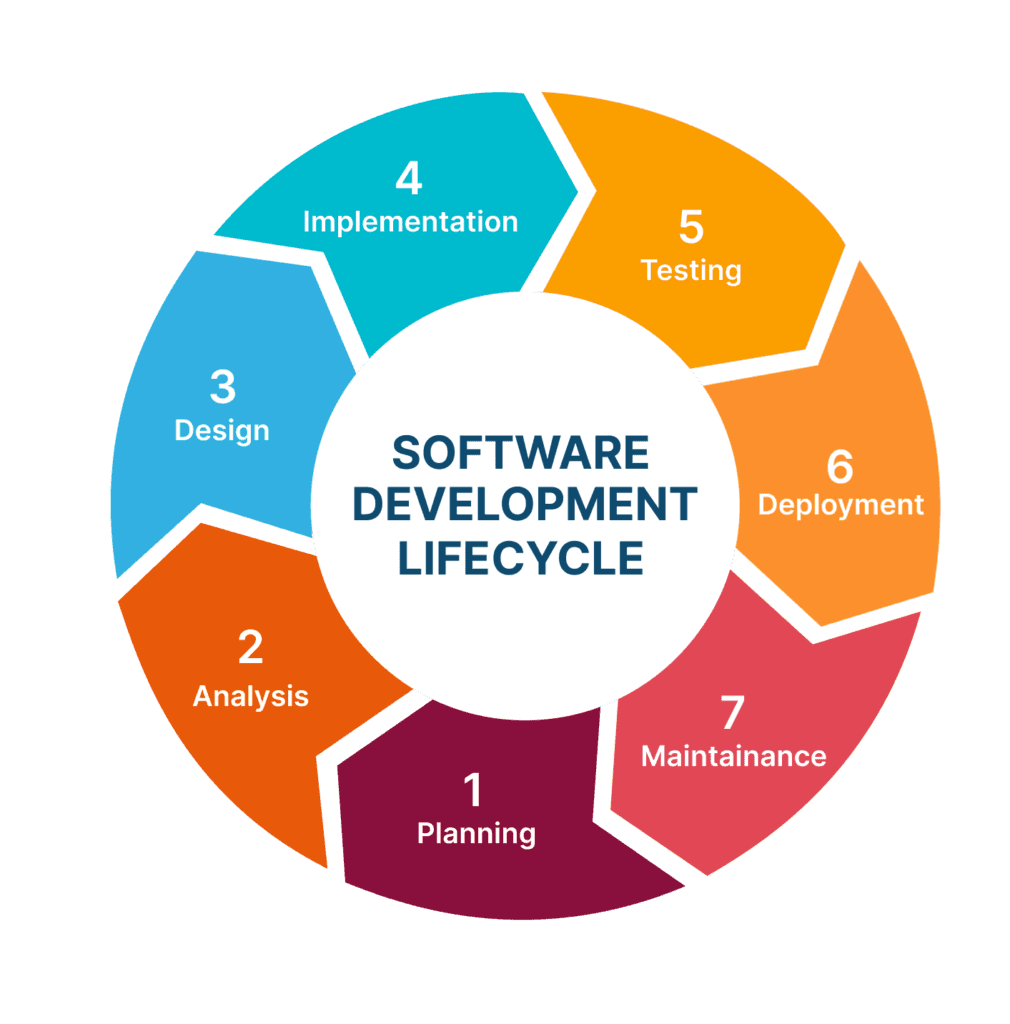
The 7 SDLC Phases (Explained Like a Real Conversation)
Let’s break down the SDLC phases in a simple, real-world way—not the stiff textbook version.
1. Requirements Gathering—"Let“'s talk before we touch keyboards.”
This phase is essentially a giant conversation.
Teams ask questions like
What problem are we solving?
Who are the users?
What features are mandatory?
What are the constraints?
What does success look like?
This is where misunderstandings get caught early.
If you skip this phase, you’re almost guaranteed to build the wrong thing.
Real example:
A logistics company once spent 3 months building a tracking system—only to realize the client wanted route optimization, not tracking. SDLC would’ve caught this on day one.
2. Planning— “What’s the smartest way to build this?”
Planning answers the big logistical questions:
How long will it take?
Who works on what?
What tech stack do we use?
How do we handle risks?
How do we break tasks down?
This phase transforms ideas into a realistic project roadmap.
Good planning saves time.
Bad planning costs time.
3. System Design—"Let's architect the solution."
This is where technical creativity shines.
Teams design:
Architecture (monolith, microservices, serverless)
Database models
APIs
UI/UX wireframes
Integrations
Security layers
It’s like designing a house blueprint.
You don’t build walls until you know where the doors and wiring go.
4. Development—"Alright, let's write the code."
Now the engineering work begins.
Developers:
Write frontend & backend code
Create APIs
Integrate services
Build business logic
Write unit tests
Use DevOps, containers, and automation
Modern dev workflows rely on:
Git / GitHub
Docker
CI/CD
Cloud services (AWS/GCP/Azure)
Monitoring tools
AI-assisted coding
This phase is where the product takes shape, sprint by sprint.
5. Testing—"Let“'s try to break it before users do.”
Testing is not just a box to tick.
It’s the safety net that keeps your app from embarrassing itself.
QA teams check:
Functionality
Performance
Security
Cross-platform behavior
User experience
Integrations
Tools like Selenium, Postman, and JMeter help automate checks, but human testers still matter—because humans catch things automation misses.
6. Deployment—"Time to go live."
This is the moment everyone waits for.
Deployment today is smoother thanks to:
Automated pipelines
Rolling releases
Canary deploys
Containers
Serverless platforms
The goal is simple:
Ship without downtime or chaos.
Once live, the software finally meets real users—and real feedback.
7. Maintenance—"The work doesn’t end after launch."
People think the project ends at launch.
Experienced teams know the truth:
Maintenance is the longest phase of the software development life cycle.
It includes:
Bug fixes
Security patches
Performance tuning
New features
Third-party updates
Scaling infrastructure
Products evolve. Requirements evolve.Good maintenance is why some apps last decades.

A Real-Life Example of SDLC in Action
Let’s say you’re building a mobile banking app.
Here’s how SDLC plays out in the real world:
Requirements
User onboarding, transactions, statements, and security checks.
Planning
Timeline: 6 months
Team: Designers, backend devs, mobile devs, QA, DevOps
Design
App screens, database tables, and integrations with payment gateways.
Development
APIs, mobile UI, encryption layers, and security protocols.
Testing
Security testing is critical—penetration tests, load tests, and compliance tests.
Deployment
Phased rollout starting with internal employees.
Maintenance
New features like UPI, investment dashboard, and notifications.
This is how SDLC ensures nothing slips through the cracks, especially for sensitive industries.
Why Teams Love SDLC (Even When They Don’t Admit It)
Here’s the funny part:
People think they dislike the process.
But everyone loves the feeling of clarity.
SDLC gives teams:
Direction
Predictability
Accountability
Quality
Stability
Peace of mind
It’s not about rules—it’s about making life easier.
And that’s why even the most modern engineering teams rely on SDLC as their invisible backbone.
If you’d like to explore more engineering, cloud, and tech articles, you can browse more resources here:👉https://synthlane.com/blogs

Conclusion
Understanding what SDLC is gives you a powerful advantage—whether you’re a developer, a founder, or someone working closely with technical teams. SDLC keeps projects organized. It reduces chaos. It protects timelines and budgets.
And most importantly, it helps teams build software people can depend on.
The software development life cycle isn’t just a process.It’s the foundation of every reliable digital product.
Frequently Asked Questions
Here are answers to some frequently asked questions. If your question isn’t listed, please contact us. We’re happy to assist!